

BBC:
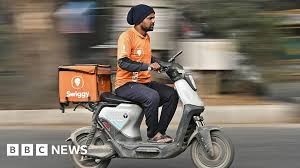
The Indian government has asked all quick-commerce platforms to drop the controversial “10-minute delivery” promise amid concerns over worker safety, sources told the BBC.
The decision follows discussions between the federal labour ministry and company officials after a recent nationwide strike by delivery riders over dangerous working conditions.
The discussions involved major brands like Zomato, Blinkit and Zepto, which allow urban shoppers to order groceries and a range of items – including electronics and household supplies – within minutes.
While hugely popular with customers, the model has been criticised for putting pressure on gig workers and exposing them to serious safety risks.
Last month, thousands of delivery workers went on strike, demanding fair wages, dignity and safer conditions. While the disruption to customers was limited, the protest sparked a fierce debate about the human cost of such a service in one of the world’s fastest-growing digital economies.
Following the strike, a closed‑door meeting was held in which the government urged quick‑commerce companies to stop promoting tight delivery deadlines, a labour ministry official told the BBC on condition of anonymity.
It is not yet clear whether all firms have fully complied. Some platforms such as Blinkit have already removed the explicit “10‑minute” delivery promise from their branding and marketing, the official said, and others are expected to follow in the coming days.
However, in several locations on Tuesday, the estimated delivery times shown in the apps still came in under 10 minutes. Many services operate dark stores in or near residential areas, meaning short delivery distances can allow orders to still be completed quickly.
The BBC has contacted Eternal, which owns Blinkit and Zomato, as well as Swiggy and Zepto, for comment.
Quick commerce has grown rapidly in India’s cities since the Covid pandemic, with platforms using small neighbourhood warehouses to supply groceries and household goods within minutes.
The boom comes at a time when India’s gig economy is also expanding, with the number of workers projected to rise from 7.7 million in 2021 to 23.5 million by 2030, according to government think tank Niti Aayog.
As competition intensified, companies have promised ever-faster deliveries, reshaping urban shopping habits.
Critics say these pledges have raised customer expectations and increased stress for riders, often encouraging unsafe riding practices.
In interviews with the BBC earlier this month, delivery workers described long hours and heavy financial pressure from fast delivery targets.
Mobin Alam, 23, said missing a deadline could lead to penalties or fewer orders. “I have no choice. I have to work extra hours to support my family,” he said.
Even after often working more than 12 hours a day, he earns around 20,000 rupees ($220; £165) a month.


 Users Today :
  Users Yesterday :
  This Month :
  This Year :
  Total Users : 1390423
 Views Today :
  Total views : 5000
 Who's Online :