
BBC:
It took just over 14 months for Yoon Suk Yeol to go from South Korea’s presidential residence to a life behind bars.
It took South Koreans less than six hours to thwart the insurrection attempt that put him there.
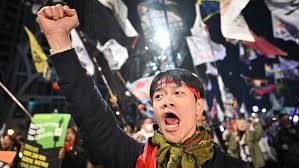
On 4 December, 2024, Yoon announced to the nation that he was declaring martial law – plunging South Korea into chaos and setting in motion a series of events that would precipitate his downfall.
The 443 days that followed saw months-long protests, Yoon’s impeachment, a string of indictments and a widening fracture that now runs through the heart of South Korean politics.
On Thursday, Yoon was found guilty of masterminding an insurrection and jailed for life. Prosecutors had demanded that the 65-year-old be sentenced to death – which, in a country that has not carried out an execution since 1997, would have amounted to a life sentence.
The outcome of the verdict – and the expediency with which South Koreans held their leader accountable – sends a powerful message at a time when the United Nations has warned of rising authoritarianism around the world.
“At a time when global democracy appears fragile, the Korean case offers a rare example of democratic resilience,” Gi-Wook Shin, director of the Korea program at Stanford University, tells the BBC.
“It reminds us that democracy ultimately depends not only on formal rules, but on citizens and institutions willing to defend them.”


 Users Today :
  Users Yesterday :
  This Month :
  This Year :
  Total Users : 1393972
 Views Today :
  Total views : 5000
 Who's Online :