
BBC:
In the early 1990s, Qatar was grappling with a period of economic strain – high debt levels and weak state revenues were weighing heavily on its finances. To try to transform its fortunes the small Gulf state made a decisive bet on natural gas.
It would develop its vast offshore gas reserves, and – crucially – super chill the gas into LNG (liquified natural gas) for transportation by ship to countries around the world.
That decision led to the creation of Ras Laffan – an industrial city on the coast, about an hour’s drive from the capital, Doha. Over the next three decades, it would become the world’s largest LNG export centre, transforming Qatar into one of the richest countries globally.
But on 18 March that success story was shaken.
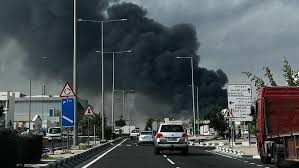
An Iranian ballistic missile struck the main Ras Laffan gas complex, knocking out an estimated 17% of global LNG supply.
The damage will cost state-owned QatarEnergy a predicted $20bn (£15bn) in lost annual revenues, while disrupting supplies to key markets in Asia, including China. Repairs could take between three to five years.
“The attack was a shock – both to global energy markets, but also to the Gulf states themselves, which are now feeling very vulnerable,” says Karen Young, a senior research scholar at the Center on Global Energy Policy at Columbia University.


 Users Today :
  Users Yesterday :
  This Month :
  This Year :
  Total Users : 1389037
 Views Today :
  Total views : 5000
 Who's Online :