

BBC:
In India’s capital Delhi, power has long circulated through ministries, embassies and the parliament – but also through the shaded verandas of the Gymkhana Club.
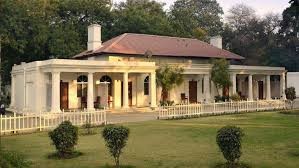
For generations, the cream-coloured clubhouse located on Safdarjung Road has functioned as a discreet world of retired generals, senior bureaucrats and old business families conducting negotiations over whisky sodas and kebabs. Even those who have never entered its gates – which is most Delhi residents – have heard stories about its grandeur.
Now, that world faces an uncertain future.
Last week, the federal government, which owns the 27.3 acres on which the 113-year-old club stands, ordered it to vacate by 5 June, saying the land is needed for “defence infrastructure and other vital public security purposes”.
In its notice, the government called the area a “highly sensitive and strategic” zone near the prime minister’s residence and said the lease stood terminated with “immediate effect”.
Members have challenged the order in court, with a hearing due on Tuesday.
The notice, following years of scrutiny of elite institutions by Prime Minister Narendra Modi’s government, has reignited debates about privilege, heritage and public space.
But it has also triggered an unexpected wave of nostalgia, with some Delhi residents expressing affection for a place they often claimed to despise.
The Gymkhana is expensive to join, but access has long been controlled more by gatekeeping than price. Applicants must be proposed and seconded by members, after which a managing committee approves them. The process has traditionally favoured senior civil servants and defence officers, with a smaller share for others. Critics say this has helped sustain inequality, even as it has made the Gymkhana one of Delhi’s most sought-after memberships.
But many recall how the place kept alive a fragment of Delhi’s elite past through small rituals: liveried waiters at dusk, gin and lime on shaded verandas, retired generals and diplomats lingering under neem trees.
A Delhi-based senior journalist who never had a membership told the BBC the club always felt “distant”. “But now I feel like stepping in once. It is one of the few structures in Delhi that has remained untouched while the city outside changed completely,” he said.


 Users Today :
  Users Yesterday :
  This Month :
  This Year :
  Total Users : 1399648
 Views Today :
  Total views : 5000
 Who's Online :