

BBC:
Can moving India’s biggest entrance examinations from pen and paper to computers finally break the country’s seemingly endless cycle of exam question leaks?
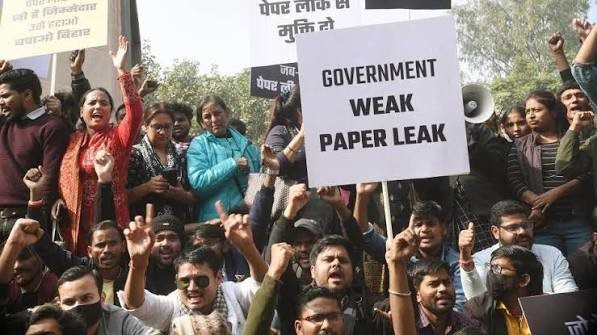
The issue gained fresh urgency after weeks of protests over the National Eligibility cum Entrance Test (NEET) medical entrance exam forced the resignation of education minister Dharmendra Pradhan. Protesters say more than 20 students died by suicide, with their families blaming the exam scandal for their deaths.
Prime Minister Narendra Modi responded by appointing an expert task force headed by Nandan Nilekani of the Indian IT giant Infosys to overhaul the National Testing Agency (NTA), which runs the exam. Modi recommends shifting the tests to computer-based testing (CBT) to make them more secure.
Hearing petitions on the reforms, the Supreme Court welcomed the government’s efforts but cautioned that computer-based testing (CBT) alone would not eliminate the risk of exam paper leaks.
That warning captures the challenge facing the task force: can technology fix what is ultimately a problem of trust, governance and incentives?
The contrasting NEET paper leaks of 2024 and 2026 illustrate why the answer is more complicated than simply digitising exams. NEET uses four versions of the question paper, each containing 180 compulsory questions across physics, chemistry and biology.


 Users Today :
  Users Yesterday :
  This Month :
  This Year :
  Total Users : 1477296
 Views Today :
  Total views : 5000
 Who's Online :