

(Reuters)
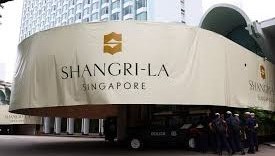
SINGAPORE/HONG KONG, May 25 – War in Iran, strained U.S. commitments in Asia and rising tensions over Taiwan will likely dominate the agenda at this week’s annual Shangri-La Dialogue, the region’s premier defence forum.
The free-wheeling informal gathering, running from May 29 to 31, draws an eclectic mix of ministers, generals, intelligence chiefs, diplomats, analysts and weapons makers for carefully worded speeches and frank exchanges behind polished hotel doors.
While Vietnam’s President To Lam will deliver Friday night’s keynote, the spotlight will fall squarely on U.S. Defence Secretary Pete Hegseth when the Pentagon chief takes the floor against the backdrop of halting efforts to end the war in Iran.
U.S. President Donald Trump said on Sunday he had told his representatives not to rush into any deal with Iran, as his administration played down hopes of an imminent breakthrough in the three-month-old conflict.
The U.S. blockade on Iranian ships in the Strait of Hormuz would “remain in full force and effect until an agreement is reached, certified, and signed,” Trump wrote on Truth Social. Iran has effectively shut the Strait since the war erupted on February 28, throttling a vital artery that typically carries about a fifth of global oil and gas shipments.
Asian allies are expected to scrutinise Hegseth for any sign that President Donald Trump’s administration is overstretched, pulled into the Middle East conflict, embroiled in disputes with Europe, including withdrawing troops from Germany, and consequently distracted from the region.
“There will likely be some continued anxiety over the unpredictability and volatility of U.S. policy, and the consequences for stability,” said Chong Ja Ian, a political scientist at the National University of Singapore.
“The most pressing issue for Asia would be the U.S.-Israel-Iran conflict and its effects on energy supply.”
The Iran war has thrown the global economy into disarray with sharply higher oil prices stoking inflation and straining supply chains from fertiliser to food, pressures that are acutely felt across Asia’s import-dependent economies.


 Users Today :
  Users Yesterday :
  This Month :
  This Year :
  Total Users : 1394156
 Views Today :
  Total views : 5000
 Who's Online :