

BBC:
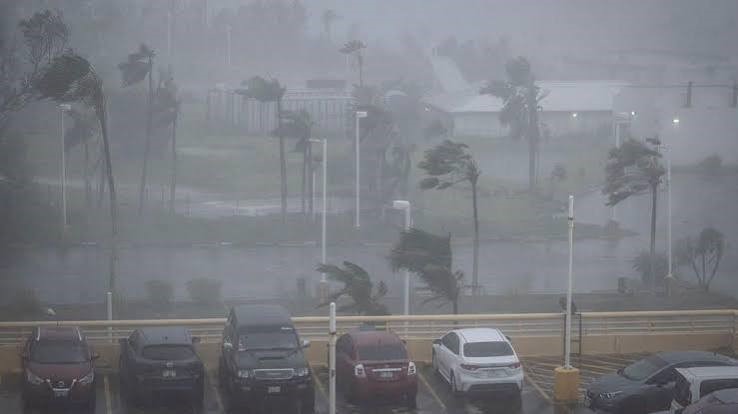
Howling winds and lashing rains are battering Guam and the Northern Mariana Islands as super typhoon Bavi makes landfall.
Packing winds of nearly 290km/h (180mph) and gusts of 350km/h, Bavi is moving over the Pacific islands, according to the US National Weather Service (NWS).
The NWS warned the “very dangerous” storm could cause “catastrophic” damage, with waves potentially nearly 11m (35ft) high.An official told AFP they had received reports of “major damages” on the Northern Mariana Islands.
The western Pacific region is particularly prone to tropical cyclones. While storms of this strength are unusual for the US islands, scientists say climate change is making powerful typhoons more common.
Residents in the region have been moving to emergency shelters and making last-minute preparations before the arrival of the super typhoon.
In the Northern Mariana Islands, Rota – the southernmost inhabited island, about 50km north-east of Guam – is taking a direct hit, according to the NWS.
The mayor’s office has published an advisory urging residents to prepare for “destructive winds”, adding that “conditions are expected to deteriorate rapidly, making it unsafe to be outdoors”.
“We are hanging in there. We are experiencing heavy winds and flooding,” a spokesperson for Rota’s mayor told AFP, adding that some people had reported “major damages”.
On Saipan, north of Rota, wind gusts of more than 161km/h (100 mph) were recorded at the airport, meteorologist Marcus Landon Aydlett told the Associated Press.
He added that many people on the island were already without power from the last super typhoon Sinlaku, which hit Guam and the Northern Mariana Islands in April – killing 17 people and causing about $1.5bn (£1.1bn) in damage.
The NWS also warned that winds are not forecast to fall below typhoon force until early afternoon on Monday, and below tropical storm force until after midnight.
Guam, usually a sun-soaked tourist destination with a population of about 170,000, has opened five evacuation centres in its schools. These sites have a maximum capacity of around 1,700 and are primarily intended for vulnerable people.
The island’s civil defence office said at 13:00 local time on Sunday that one of the evacuation sites had already reached maximum capacity and that people were being redirected to another site.
Bavi has been classified as a super typhoon by the Joint Typhoon Warning Center (JTWC), a part of the US military responsible for monitoring tropical storms in the western Pacific.


 Users Today :
  Users Yesterday :
  This Month :
  This Year :
  Total Users : 1389229
 Views Today :
  Total views : 5000
 Who's Online :