

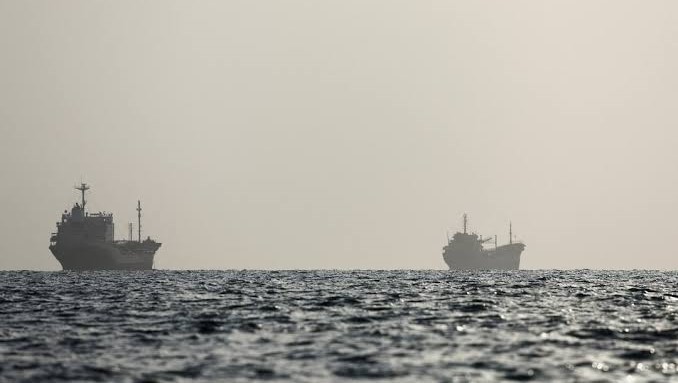
(Reuters)
DUBAI/CAIRO, Aug 28 – Iran war mediators have placed renewed emphasis on reopening the Strait of Hormuz, with Tehran agreeing to draw up a list of conditions to restore normal traffic after a Qatari emissary pressed the Iranians to respect freedom of navigation.
With the U.S. having disengaged from talks in favour of an economic pressure campaign, the prime minister of Qatar met senior Iranian leaders in Tehran on Thursday, stressing the importance of returning to the pre-war status of open shipping through an international waterway.
Qatar, a U.S. ally and Gulf neighbour of Iran, and Pakistan helped broker a memorandum of understanding in June that led to a ceasefire and set terms for shipping in the Strait of Hormuz, the narrow stretch between Iran and Oman that before the war was the conduit for 20% of the world’s oil supply.
After the U.S. and Israel launched the war six months ago, Iran threatened to strike any vessel transiting the strait without its authorization, driving down traffic and sending up the price of oil, providing Iran with leverage in the bargain.
In his mission to Tehran on Thursday, Qatari Prime Minister and Foreign Minister Sheikh Mohammed bin Abdulrahman Al Thani said on X that he underscored to senior Iranian officials “the importance of respecting freedom of navigation in the Strait of Hormuz in accordance with international law.”
Mohsen Rezaei, secretary of Iran’s Supreme National Security Council, later said Iran was preparing a list of conditions for reopening the strait after mediators asked Tehran to set them out.
Speaking through an interpreter in an Al Manar TV interview, Rezaei said Iran had agreed with Oman on a shipping corridor through the strait, with parts of the route in Omani waters and parts in Iranian waters. Ships would use a designated central channel if the U.S. met Iran’s conditions, he said.
In the past Iran’s conditions have included an end to the U.S. blockade on Iranian ports, compensation and removal of sanctions. It remained unclear whether Iran intended to amend those demands in a way that might be acceptable to the Americans.
Tehran and Washington have exchanged little more than bellicose statements in recent weeks, leaving the diplomacy to third parties.


 Users Today :
  Users Yesterday :
  This Month :
  This Year :
  Total Users : 1386957
 Views Today :
  Total views : 5000
 Who's Online :